Showing: 1 - 7 of 7 RESULTS
Finance Real Estate

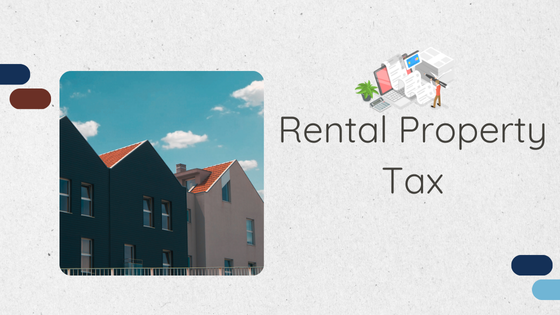
Rental Property Income and Tax Deduction

Renting a property can be both exciting and rewarding. It’s a way to build wealth over time while also creating a steady stream of income. But before diving into the tax side of things, it’s important to understand what rental property income actually means. Simply put, rental income is the money you receive from tenants who rent your property. This includes not only the monthly rent but also any other payments they make, such as fees for parking, utilities, or even pet charges.

For example, if you rent out a small apartment for $1,200 a month and charge an extra $50 for parking, your total rental income is $1,250. It sounds straightforward, but when tax season comes around, the IRS wants to know about every dollar you’ve collected. That’s why keeping good records is key.

Why Taxes Matter for Rental Property Owners

Taxes might not be the most exciting part of owning a rental property, but they play a huge role in how much money you actually keep. The good news is that rental property owners can take advantage of several tax deductions to lower their taxable income. These deductions are basically expenses you can subtract from your rental income, which reduces the amount of tax you owe.

Think of it this way: if you earn $20,000 in rental income but spend $5,000 on repairs, maintenance, and other costs, you only pay taxes on $15,000. That’s a big difference, and it shows why understanding deductions is so important.

Common Tax Deductions for Rental Properties

One of the biggest perks of owning a rental property is the ability to deduct expenses. These deductions cover a wide range of costs, from everyday maintenance to larger financial items. Repairs, property management fees, insurance premiums, and even mortgage interest can all be deducted.

Repairs are a good example. If you fix a leaky roof or replace a broken water heater, those costs can be written off. On the other hand, improvements—like adding a new deck or upgrading the kitchen—are treated differently. Improvements usually have to be depreciated over time, meaning you spread the deduction across several years instead of taking it all at once.

Depreciation itself is another major deduction. The IRS allows property owners to deduct a portion of the property’s value each year to account for wear and tear. This can add up to thousands of dollars in savings over time.
Keeping Track of Expenses

It’s easy to lose track of expenses when you’re busy managing tenants and maintaining a property. That’s why organization is so important. Many landlords use spreadsheets or accounting software to log every expense, from small purchases like paint brushes to larger bills like property taxes.

Having a clear record not only makes tax filing easier but also protects you in case of an audit. If the IRS ever asks for proof of your deductions, you’ll be glad you kept receipts and detailed notes.

One simple way to stay organized is by using a rental property tax deduction checklist. This kind of checklist helps you remember all the possible deductions you might qualify for, so nothing slips through the cracks. It can include categories like mortgage interest, insurance, repairs, utilities, and depreciation. By reviewing the checklist before filing your taxes, you make sure you’re not leaving money on the table.

How Rental Income Is Reported

When tax season arrives, rental income is reported on your tax return, usually through Schedule E. This form allows you to list your rental income and expenses in detail. The net result—income minus deductions—is what gets taxed.

For example, if you collected $18,000 in rent and had $6,000 in deductible expenses, you’d report $12,000 in taxable rental income. The more deductions you can legitimately claim, the lower that taxable number becomes.

Planning Ahead for Taxes

Smart rental property owners don’t wait until April to think about taxes. Instead, they plan ahead throughout the year. Setting aside a portion of rental income for taxes can prevent surprises later. It’s also wise to consult with a tax professional if you’re unsure about certain deductions or rules. While you don’t need to be an expert, having someone guide you can save time and stress.

Conclusion

Owning a rental property is more than just collecting rent—it’s about managing income, expenses, and taxes in a way that maximizes your profit. Understanding how rental income works, keeping track of expenses, and using deductions wisely can make a huge difference in your bottom line.

Taxes may seem complicated, but with a little organization and the right tools, they become much easier to handle. Whether you’re just starting out or already have multiple properties, taking advantage of deductions is one of the best ways to keep more of your hard-earned money. And remember, a rental property tax deduction checklist can be your best friend when it comes to staying organized and making sure you don’t miss out on valuable savings.

Real Estate

Understanding North Carolina Rent-to-Own Contracts

Rent-to-own homes in North Carolina have become an increasingly popular option for families who want to transition from renting to owning. These agreements promise flexibility and opportunity, but they also come with complexities that can catch buyers off guard. A rent-to-own contract is not just a lease—it is a hybrid agreement that blends rental terms with purchase obligations. For buyers, understanding the details of these contracts is essential to avoid costly mistakes and ensure a smooth path to homeownership.

The Structure of Rent-to-Own Contracts

At its core, a rent-to-own contract combines two elements: a lease agreement and a purchase agreement. The lease outlines the tenant’s responsibilities during the rental period, including monthly payments, maintenance obligations, and occupancy rules. The purchase agreement specifies the terms under which the tenant will buy the property, including the purchase price, timeline, and any credits applied from rent payments. In North Carolina, these contracts can take the form of lease options or lease purchase agreements, each with distinct legal implications.

Lease Option Agreements

A lease option gives the tenant the right, but not the obligation, to purchase the property at the end of the lease term. This flexibility allows buyers to walk away if circumstances change, though they may lose any option fees or rent credits paid. Lease option agreements are attractive for buyers who want to test the neighborhood, improve their credit, or simply keep their options open. In North Carolina, these agreements must clearly state the option fee, purchase price, and expiration date to be enforceable.

Lease Purchase Agreements

Lease purchase in North Carolina is more binding. In this structure, the tenant commits upfront to buying the property once the lease ends. The purchase price is locked in, and the tenant is legally obligated to complete the transaction. While this creates certainty for sellers, it places greater responsibility on buyers. In North Carolina, lease purchase agreements are enforceable contracts, meaning that failure to buy could expose tenants to legal or financial consequences. Buyers should only enter into these agreements if they are confident in their ability to secure financing.

Key Financial Components

Rent-to-own contracts often include three major financial elements: the monthly rent, the option fee, and rent credits. Monthly rent may be higher than market rates, with the extra portion applied toward the purchase price. The option fee, paid upfront, secures the tenant’s right to buy and is usually non-refundable. Rent credits accumulate over time, but they only benefit the tenant if the purchase is completed. Buyers in North Carolina should carefully review how these payments are structured, as not all contracts guarantee that credits reduce the final purchase price.

Maintenance and Responsibility

One of the most overlooked aspects of rent-to-own contracts is maintenance. Unlike traditional rental agreements, many rent-to-own contracts shift responsibility for repairs and upkeep to the tenant. Buyers may find themselves paying for roof repairs, plumbing issues, or appliance replacements while still legally renters. In North Carolina, this arrangement is common, particularly in lease purchase agreements. Tenants should budget for these expenses and ensure that responsibilities are clearly outlined in the contract to avoid disputes.

Legal Protections and Risks

North Carolina law requires transparency in rent-to-own agreements, but enforcement can vary. Contracts must clearly state the purchase price, option fee, and timeline. However, vague language or poorly drafted agreements can lead to misunderstandings. Buyers who fail to seek legal guidance may find themselves bound by terms they did not fully understand. The risk of losing option fees, rent credits, and investments in maintenance is real if financing cannot be secured. Consulting with a real estate attorney or experienced agent is essential to protect against costly mistakes.

Preparing for Financing

The ultimate success of a rent-to-own contract depends on the buyer’s ability to secure a mortgage when the lease ends. During the rental period, buyers should focus on improving credit scores, reducing debt, and building savings. In North Carolina, lenders remain cautious, and mortgage approval is not guaranteed. Buyers who assume financing will automatically be available risk losing everything they have invested. A proactive approach to financial preparation is critical to turning a rent-to-own agreement into successful homeownership.

Conclusion

Rent-to-own contracts in North Carolina offer a promising path to ownership, but they demand careful attention to detail. From understanding the difference between lease option and lease purchase agreements to reviewing financial obligations and maintenance responsibilities, buyers must approach these contracts with clarity and caution. Legal guidance, financial preparation, and transparency are the keys to success. For families willing to navigate the complexities, rent-to-own agreements can transform the dream of homeownership into reality, but only if buyers truly understand what they are signing.

Law Real Estate

Sell My Land for Cash in California: What Real Sellers Wish They Knew Sooner

Selling land in California through traditional methods often proves more difficult than expected. Unlike residential properties, vacant land typically attracts fewer buyers, sits longer on the market, and requires specialized knowledge to market effectively. Many sellers assume that listing with a real estate agent will result in a quick sale, only to discover that agents often prioritize homes over raw land and may lack the tools to reach serious land buyers.

In addition, land listings can remain stagnant for months or even years. During that time, sellers continue to pay property taxes, deal with maintenance issues, and face uncertainty about when—or if—the property will sell. These delays are one of the most common frustrations among landowners who attempt to sell through conventional channels.

Unexpected Costs and Responsibilities

Holding onto land comes with ongoing financial responsibilities. Property taxes, weed abatement fees, and liability risks can add up over time. Sellers often underestimate these costs, especially when the land is not generating income or being actively used. In some cases, the cumulative expense of holding the land outweighs its market value.

Additionally, many sellers are surprised to learn about zoning restrictions, access limitations, or title complications that make their land harder to sell. These issues can derail a sale or require costly legal and administrative work to resolve. Without a buyer who understands how to navigate these challenges, the process can become time-consuming and expensive.

Why Cash Buyers Offer a Better Alternative

Selling land for cash offers a faster, simpler solution. Cash buyers specialize in purchasing land directly from owners, often without requiring improvements, inspections, or financing contingencies. This approach eliminates the need for listings, showings, and negotiations with traditional buyers.

Cash buyers evaluate land based on its location, zoning, and potential—not its curb appeal or development status. They are often willing to purchase land as-is, even if it’s rural, inherited, or has limited access. This flexibility allows sellers to move forward without investing additional time or money into preparing the property for sale.

The Benefits of Selling for Cash

Selling land for cash in California provides several key advantages:

  • Speed: Transactions can close in days or weeks, rather than months.
  • Simplicity: Buyers handle the paperwork, title transfer, and closing logistics.
  • Certainty: No risk of financing falling through or buyers backing out.
  • Cost savings: Sellers avoid agent commissions, marketing expenses, and ongoing property costs.

For landowners who want to sell quickly and avoid the complications of traditional sales, cash buyers offer a streamlined alternative that minimizes stress and maximizes efficiency.

What Sellers Wish They Knew Earlier

Many landowners express regret over waiting too long to sell or relying on outdated methods. Common realizations include:

  • The market for vacant land is slower and more specialized than expected.
  • Holding land costs more than anticipated, especially over time.
  • Traditional agents may not prioritize land sales or understand the nuances involved.
  • Cash buyers can resolve issues that derail conventional deals, such as access problems or probate complications.

Understanding these realities earlier could help sellers make more informed decisions and avoid months—or years—of frustration.

Working With a Reputable Cash Buyer

Choosing the right CA land buyer is essential. Reputable companies are transparent about their process, offer fair market value, and handle all closing costs. They communicate clearly, respect the seller’s timeline, and ensure a smooth transaction from start to finish.

In California, companies like Land Boss specialize in buying land directly from owners. They work with parcels of all types, including rural lots, inherited land, and properties with zoning or access challenges. Their process is designed to help sellers move on quickly, without the delays and complications of traditional sales.

Conclusion

If you’re asking yourself, “Should I sell my land for cash in California?” consider the long-term costs of holding onto a property that no longer serves your goals. Traditional sales can be slow, expensive, and unpredictable. Cash buyers offer a faster, simpler path to resolution—especially for landowners dealing with remote, unused, or inherited parcels.

Selling land doesn’t have to be complicated. With the right buyer and a clear process, you can turn a stagnant asset into usable cash and move forward with confidence.

Home Real Estate

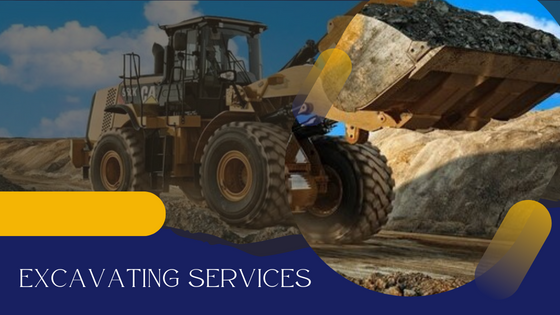
Residential Excavation Contractors in The Rio Grande Valley

Nestled in the southernmost region of Texas, the Rio Grande Valley, with its rich landscapes and striking biodiversity, has seen a significant boom in residential development. As a result, the demand for residential excavation contractors has risen, sparking a need for professionals equipped to handle the diverse topography and dense vegetation of the region.

Defining Residential Excavation

Residential excavation sets the stage for a new home, paving the way for a strong foundation upon which a house will stand. The process involves soil and rock removal, grading for building, creating trenches for utilities, and shaping the landscape around a home — a foundational stepping stone for any residential project.

The Role of Contractors

Professional residential excavation contractors bring a distinctly nuanced approach to this pivotal process. They consider essential aspects such as soil composition, drainage planning, and land edification, all crucial elements that contribute to a building’s long-term stability. Firms like McAllen Dirtworks, with their skilled and professional teams, are the gold standard of residential excavation services in The Rio Grande Valley.

What Sets Apart The Top Contractors

The best contractors go beyond merely removing soil. They bring a combination of expertise, experience, and cutting-edge technology that allows for precision in excavation while maintaining project timelines. The efficient use of machinery, coupled with reliable labor, ensures that foundations are solidly laid and landscapes elegantly shaped.

Compliance and Sustainability

In the Rio Grande Valley, where flora and fauna diversity is abundant, respecting the environmental aspects of residential excavation is vital. Responsible contractors adhere strictly to local and state regulations to minimize environmental harm. They also employ techniques that reduce noise and dust pollution, and ensure that all clearances and permits are correctly lodged.

The Long-Term Value Of Choosing The Right Contractor

While budget considerations can often drive contractor selection, focusing on short-term savings can sometimes lead to long-term costs. Choosing experienced, reliable residential excavation contractors like the team at McAllen Dirtworks can prevent future issues such as soil instability and drainage problems. These professionals’ deep understanding of the trade helps mitigate risks — a worthwhile investment that assures a solid, reliable foundation for your home.

Conclusion

In conclusion, residential excavation contractors in The Rio Grande Valley play a fundamental role in shaping the region’s residential landscape. They are the heralds of new beginnings, laying the groundwork for homes, and by extension, communities. By opting for seasoned, responsible excavation contractors, home builders ensure a secure, stable future for their residences.

Thoughtfully executed excavation is the first step to a successful construction project. So, when planning to build your dream home in The Rio Grande Valley, remember to entrust this crucial stage to contractors who understand and respect the value of digging deeper to build higher.

Real Estate

Tips For Selling Your Land in Estonia

Selling land in Estonia, whether it’s agricultural, forest, or alternatively purposed land, is a process that requires a strategic approach. This process is overseen by many factors such as location, the size of the plot, its intended usage, and condition. If you’re considering selling your land, here are some essential tips to assist you in achieving the best possible returns.

One of the most crucial steps in selling your land is determining the best price. The selling price of your land depends on several factors, including its size, location, intended usage, the state of the real estate market, and the price set by the seller. Other factors such as the quality of the land, the existence of building permits, and the influence of nearby objects play a vital role in determining the value of your land.

Land Valuation

An essential part of the land selling process is valuation. The goal of land valuation is to identify the market value of your land, allowing fair determination of the selling price. There are specific valuation methodologies in place that take into account various factors such as the location, size, quality, and intended use of your land.

In Estonia, you can have your land professionally assessed to give potential buyers an accurate estimate of its value. This could be the key to setting a competitive asking price that should attract offers while maximizing your potential profit.

Find a Reliable Partner

Working with a trustworthy partner can make the maa müük process more manageable and ensure you get the best price for your land. Companies like Vestman offer a transparent and honest service to landowners, specializing in buying and selling lands. Their operations are transparent, and they’re not intermediaries, assuring clients that they’re getting a fair price for their land.

Vestman has been operating since 1995, making them one of the largest forestry management companies in Estonia. They have extensive experience in managing lands and forests, ensuring you get the best offer that matches the true value of your land.

Make Use of Professional Services

Engage the services of professionals to evaluate the land, and if you agree upon the price, they will handle all the legal work and finalize the transaction at the notary. This makes the process smooth for both the seller and the buyer, preventing unnecessary setbacks that could delay the sale.

In Conclusion

In a country like Estonia, where there is a thriving real estate industry supported by an array of professional services, selling your land can be a straightforward process. By considering factors such as location, intended usage, and getting a proper valuation, you can make informed decisions and secure the best deal when selling.

Consider these tips as you navigate the land selling journey in Estonia, and most importantly, remember to work with a trustworthy partner and prepare your land well before the sale.

Real Estate

Current Real Estate Trends

The real estate industry is constantly changing and evolving. As an investor, it’s important to stay up to date on the latest trends to make informed decisions about your investments. In this article, we’ll look at the current trends in the real estate industry and what they mean for investors.

Increased Demand for Affordable Housing

The demand for affordable housing is growing, as more people are seeking out housing they can afford. This is especially true in larger cities, where the cost of living is higher. As a result, developers are increasingly making investments in rental properties in these areas to meet the demand. This is good news for investors, as it means that there will be more opportunities to buy properties. This trend is likely to continue into the future as well.

Growing Focus on Sustainability

Sustainability is becoming increasingly important in real estate. Developers are looking for ways to build energy-efficient homes that reduce their environmental footprint. Additionally, many are exploring the use of renewable energy sources, such as solar, wind, and geothermal, to reduce their reliance on traditional sources of energy.

Emergence of Smart Home Technology

The rise of smart home technology is changing the way we think about and use our homes. Smart home technology is becoming increasingly popular, allowing homeowners to control and monitor their homes remotely. This technology is being used to automate many tasks, such as locking doors, controlling temperature, and even monitoring energy usage.

Increase in Rental Properties

As more people are looking to rent instead of buy, the number of rental properties is increasing. This trend is being driven by the growing demand for affordable housing, as well as the desire for flexibility and convenience among renters.

Growing Interest in Second Homes

The demand for second homes is growing, as more people are looking to purchase a property for investment or vacation. The rise of remote work has made it easier for people to work from anywhere, and more people are taking advantage of that by investing in second homes in desirable locations.

Stay Up To Date With Real Estate Trends

The real estate market can be unpredictable, but understanding the trends that are affecting the industry will help you prepare for what’s ahead. By staying up to date with current trends in real estate and home ownership, you can better position yourself to make smart investments and decisions. There are real estate news portals, such as Real Estate News Day – https://www.realestatenewsday.com/, that provide real estate news and analysis on the industry.

Conclusion

The real estate industry is constantly changing, and these are just a few of the current trends. By staying up to date on the latest trends, investors can make informed decisions and maximize their returns.

Real Estate

Brigade Oasis – Devanahalli

The North Bangalore region is one of the most popular destinations in Bangalore, which has been growing rapidly over the years. There are several companies that have set up their offices here because of its proximity to major highways and infrastructure facilities like power, water supply etc.

The region also offers great opportunities for residential projects as well as commercial ventures, making it an ideal destination for investors looking forward to investing in properties in Bangalore .

The region is also known for its excellent educational institutions and hospitals. It is home to some of the best colleges and universities in Bangalore, including the Indian Institute of Management-Bangalore (IIMB), National Institute of Fashion Technology (NIFT) etc.

North Bangalore is the most sought after location for properties in the city. It is a prime location and is close to all the commercial and residential areas of the city. Brigade Oasis is the newest luxury development in North Bangalore and offers a wide range of apartments and villas in different sizes and designs.

The project is located at Devanahalli, one of the most preferred residential areas in Bangalore. The plots are located on main roads with good connectivity to all other parts of the city. This makes it easy for people to commute from this location to their businesses or offices. The plots are also surrounded by green areas making it a great place for families to live.

Brigade Oasis is the latest project from Brigade Group, one of India’s leading real estate developers. The project offers a wide range of plots in different sizes and designs.

Conclusion

Brigade Oasis is a great project to invest in. The location of the project is very convenient and it is surrounded by green areas which makes it a great place to live.