Showing: 1 - 2 of 2 RESULTS
Travel

Exploring Thailand Beyond Bangkok: Private Transfers to Resorts and Islands

Bangkok is a city that never sleeps, filled with dazzling lights, bustling markets, and cultural landmarks. Yet for many travelers, the true magic of Thailand lies beyond the capital. Coastal escapes like Pattaya, Hua Hin, and Koh Samet offer pristine beaches, while mountain retreats and island getaways provide tranquility far removed from the city’s energy. The journey to these destinations can be long and complex if you rely on public transport, but private transfers transform the experience into something seamless and enjoyable.

Why a Rental Service Changes the Journey

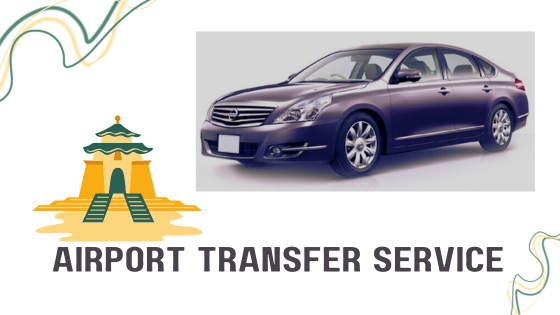
Choosing a professional rental service with driver makes all the difference when exploring Thailand beyond Bangkok. Instead of juggling multiple buses, trains, or taxis, you step into a comfortable vehicle designed for long-distance travel. A professional rental service such as The Exclusive Transfer provide options ranging from luxury sedans to spacious vans like the Toyota Alphard or Hyundai Staria, ensuring that every traveler finds the right fit. With fuel, tolls, and taxes included, there are no hidden surprises. The driver handles navigation and logistics, leaving you free to enjoy the scenery and anticipate the adventures ahead.

Comfort for Long-Distance Travel

Traveling to destinations outside Bangkok often involves several hours on the road. Comfort becomes essential, and private vehicles are designed to provide it. Air-conditioned interiors, reclining seats, and ample luggage space make the ride far more pleasant than crowded buses or unpredictable taxis. Families appreciate the extra room for children and belongings, while couples enjoy the privacy of a sedan. For groups of friends, minibuses allow everyone to travel together without compromise. The journey itself becomes part of the holiday, offering time to relax, chat, and soak in the landscapes of Thailand.
Local Expertise Along the Way

Thailand’s roads can be challenging for newcomers, with traffic patterns, toll routes, and regional differences that are difficult to navigate. Experienced drivers bring local expertise, knowing the best shortcuts and scenic routes to make the trip efficient and enjoyable. They can recommend stops along the way, from roadside restaurants to hidden viewpoints, adding depth to the journey. This insider knowledge turns a simple transfer into a guided experience, enriching your travel beyond the destination itself.

Seamless Planning and Peace of Mind

Booking private transfers to resorts and islands is straightforward, with online platforms offering clear pricing and instant confirmation. Flexible policies accommodate changes in schedules, while English-speaking support ensures smooth communication for international visitors. Knowing that your transport is secured before you leave Bangkok provides peace of mind, allowing you to focus on the excitement of your trip. Whether you are heading to a beach resort or a mountain retreat, the logistics are handled with professionalism, leaving you free to enjoy the adventure.

Conclusion

Exploring Thailand beyond Bangkok is an unforgettable experience, but the journey can be just as important as the destination. Private transfers, supported by professional rental service providers, ensure that long-distance travel is comfortable, efficient, and stress-free. With vehicles tailored to your needs, experienced drivers, and seamless booking, services like The Exclusive Transfer make every trip to Pattaya, Hua Hin, or Koh Samet a stylish extension of your holiday. When the road ahead is part of the adventure, traveling in comfort and confidence is the best way to discover Thailand’s treasures.

Finance Real Estate

Rental Property Income and Tax Deduction

Renting a property can be both exciting and rewarding. It’s a way to build wealth over time while also creating a steady stream of income. But before diving into the tax side of things, it’s important to understand what rental property income actually means. Simply put, rental income is the money you receive from tenants who rent your property. This includes not only the monthly rent but also any other payments they make, such as fees for parking, utilities, or even pet charges.

For example, if you rent out a small apartment for $1,200 a month and charge an extra $50 for parking, your total rental income is $1,250. It sounds straightforward, but when tax season comes around, the IRS wants to know about every dollar you’ve collected. That’s why keeping good records is key.

Why Taxes Matter for Rental Property Owners

Taxes might not be the most exciting part of owning a rental property, but they play a huge role in how much money you actually keep. The good news is that rental property owners can take advantage of several tax deductions to lower their taxable income. These deductions are basically expenses you can subtract from your rental income, which reduces the amount of tax you owe.

Think of it this way: if you earn $20,000 in rental income but spend $5,000 on repairs, maintenance, and other costs, you only pay taxes on $15,000. That’s a big difference, and it shows why understanding deductions is so important.

Common Tax Deductions for Rental Properties

One of the biggest perks of owning a rental property is the ability to deduct expenses. These deductions cover a wide range of costs, from everyday maintenance to larger financial items. Repairs, property management fees, insurance premiums, and even mortgage interest can all be deducted.

Repairs are a good example. If you fix a leaky roof or replace a broken water heater, those costs can be written off. On the other hand, improvements—like adding a new deck or upgrading the kitchen—are treated differently. Improvements usually have to be depreciated over time, meaning you spread the deduction across several years instead of taking it all at once.

Depreciation itself is another major deduction. The IRS allows property owners to deduct a portion of the property’s value each year to account for wear and tear. This can add up to thousands of dollars in savings over time.

Keeping Track of Expenses

It’s easy to lose track of expenses when you’re busy managing tenants and maintaining a property. That’s why organization is so important. Many landlords use spreadsheets or accounting software to log every expense, from small purchases like paint brushes to larger bills like property taxes.

Having a clear record not only makes tax filing easier but also protects you in case of an audit. If the IRS ever asks for proof of your deductions, you’ll be glad you kept receipts and detailed notes.

One simple way to stay organized is by using a rental property tax deduction checklist. This kind of checklist helps you remember all the possible deductions you might qualify for, so nothing slips through the cracks. It can include categories like mortgage interest, insurance, repairs, utilities, and depreciation. By reviewing the checklist before filing your taxes, you make sure you’re not leaving money on the table.

How Rental Income Is Reported

When tax season arrives, rental income is reported on your tax return, usually through Schedule E. This form allows you to list your rental income and expenses in detail. The net result—income minus deductions—is what gets taxed.

For example, if you collected $18,000 in rent and had $6,000 in deductible expenses, you’d report $12,000 in taxable rental income. The more deductions you can legitimately claim, the lower that taxable number becomes.

Planning Ahead for Taxes

Smart rental property owners don’t wait until April to think about taxes. Instead, they plan ahead throughout the year. Setting aside a portion of rental income for taxes can prevent surprises later. It’s also wise to consult with a tax professional if you’re unsure about certain deductions or rules. While you don’t need to be an expert, having someone guide you can save time and stress.

Conclusion

Owning a rental property is more than just collecting rent—it’s about managing income, expenses, and taxes in a way that maximizes your profit. Understanding how rental income works, keeping track of expenses, and using deductions wisely can make a huge difference in your bottom line.

Taxes may seem complicated, but with a little organization and the right tools, they become much easier to handle. Whether you’re just starting out or already have multiple properties, taking advantage of deductions is one of the best ways to keep more of your hard-earned money. And remember, a rental property tax deduction checklist can be your best friend when it comes to staying organized and making sure you don’t miss out on valuable savings.